Fountain of Juice
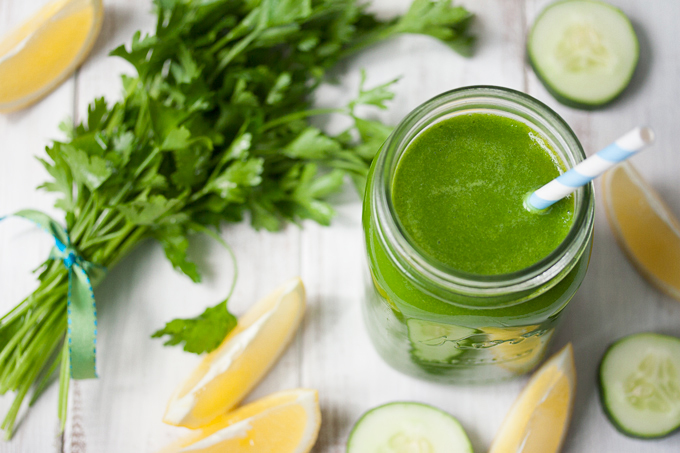
In the heavily debated subject of nutrition there aren’t many things that we all agree on, but there does seem to be at least one and that is the benefits of fresh vegetable juice.
This simple practice can dramatically improve your health and combat ageing as an addition to your healthy diet. Here’s why everyone should start the day with a fresh vegetable juice.
- Eating your 20 a day suddenly became much easier
We all know about the 5-a-day portion of fruit and vegetable that we should be eating. Well I prefer 20-a-day, minimum. But who wants to sit and munch through plates and plates of raw vegetables. It would take forever. This is where juicing is so fantastic! Start your day with a delicious and nutritious green juice and you’re well on your way. It’s important to juice raw vegetables as cooking can destroy vital nutrients.

My niece and I making a juice
- Hydration
The body needs hydration to eliminate toxins via the bladder, colon, and skin. Without sufficient water our bodies will struggle to function at all. For glowing skin and abundant energy, plenty of fluids are essential! Your morning green juice is a great way to start the day hydrated and feeling great.
- Packed full of nutrients
Your juice will provide condensed nourishment from the vitamins, minerals, phytonutrients and oxygen.
- A change from your morning coffee
Vegetable juice can give you a surge of energy and offers a great alternative to your morning caffeine fix.
- Liquid chlorophyll
Sunlight is infused and stored into all plants giving them an amazing potency known as chlorophyll. When you juice plants you release this chlorophyll which can enhance healing, provide powerful antioxidants and interestingly, improve body odour.
- Enhances our immune system
Along with the vitamins and minerals, juicing vegetables provides you with high levels of phytonutrients. These special compounds are found in nature and protect the plant from harm while it is growing. When we eat these phytonutrients they provide antioxidant and anti-inflammatory properties, which are vital to support our immune system. It’s important to note that organic vegetables contain much higher amounts of phytonutrients.
- Cleanses your cells
When you drink a juice there is no need for digestion. This means the body can absorb the goodness with very minimal work. This instant transfusion enables cellular cleansing, repair and renewal.
What should we juice?
Green juice is best. 50% of my juice is cucumber and celery and then I add to this with a variety of other green vegetables.
Cucumber
Cucumber is a great source of vitamin C, K and potassium. The high water content and neutral taste makes cucumber the perfect base for your juice.
Celery
A rich source of potassium, manganese, vitamin A, C, K and folate makes celery the perfect addition to your juice. Potassium is needed for muscle contractions, nerve impulses and to regulate your heartbeat.
Courgette
A good source of B-complex vitamins that will provide energy and support your nervous system. Courgettes contain electrolytes in the form of magnesium and potassium and immune-boosting vitamin C. They also contain antioxidants which play a role in preventing ageing and disease.
Iceberg Lettuce
High in vitamin A, C, K and folate. The Egyptians believed lettuce and other leafy greens to be an aphrodisiac. Wild lettuce is also known for its calming effects.
The Egyptians believed lettuce and leafy greens were an aphrodisiac.
Fennel
Fennel has a high mineral content and is wonderful for indigestion and constipation. It adds a lovely, sweet flavour to a vegetable juice.
Broccoli
Rich in vitamin A, C and K. Broccoli contains active anti-cancer components that are released when juiced or chewed. Small amounts are best as it has a strong taste and smell when juiced.
Ginger is a wonderful anti-inflammatory.
Garlic
Garlic helps regulate blood pressure and is a powerful anti-fungal and anti-viral. The high sulphur supports liver function. Definitely want to avoid this one before a hot date :-/
Herbs like parsley, basil and mint.
Lemons and limes lift your juice and give it some zest.
What about fruit?
You may have noticed that I have repeatedly mentioned vegetable juice. This is because the benefits of vegetables far outweighs fruit when it comes to juicing. Fruit juice contains large amounts of fructose sugar. If the body has an excess of this sugar, the surplus fructose is converted to fat which is then stored around the body.
You probably wouldn’t eat 6 oranges in one sitting, however, you would have to juice this many oranges to make one glass of orange juice. That’s a lot of sugar coursing through your body without any fibre to slow down the digestion process.
So, if you can, I recommend sticking with vegetables, herbs, lemon and lime when juicing and enjoy your fruit as a whole or in smoothies. If you would like to add a small amount of fruit at the beginning to ease you into it, this can be a good idea if it encourages you to continue juicing. Half an apple or pear is fine to start with, then slowly reduce it until you no longer feel the need for the sweetness. Beetroot and carrot is also very beneficial in small amounts but still has a higher sugar content than greens, so go easy.
Which juicer should you buy?
There are three types of juicers:
- Least expensive: Centrifugal juicer
The advantages are the large feeding tube and fast processing. This one is not suitable for leafy greens or wheatgrass and the quality of the juice isn’t as good. - Mid range: Single auger juicer
This type of juicer has a better juice yield than centrifugal. Not all of them process leafy greens so check before you buy. - Most expensive: Double auger juicer
Provides maximum juice from all vegetables including leafy greens and wheatgrass. This is because the two turning mechanism crushes the vegetables squeezing out all the juice leaving a dry pulp. It is usually slightly slower than the others.
If you are starting out and want to spend less then head towards a centrifugal as this will be kinder to your bank balance. Then, if you enjoy juicing and start to feel the benefits, which I have no doubt you will, then you might want to invest in a better model. If you can afford it I would go straight for a dual/double auger juicer.
For a more comprehensive article on what to consider when choosing your ideal juicer please visit Jen Reviews.
You could also call UK Juicers and ask for their advice. They will be able to provide you with information about all the brands to find one that suits your needs and budget.
Before you start:
If you do not usually consume vegetables or have very little on a daily basis, please introduce small amounts of green juice and increase this slowly every week. This will ensure you do not experience detox symptoms and continue to enjoy your juice everyday.

Fat, Sick and Nearly Dead
Fat, Sick and Nearly Dead is a 2010 American documentary film which follows the 60-day journey of Australian Joe Cross across the United States as he follows a juice fast under the care of Dr. Joel Fuhrman. It’s an inspiring film that shows what can be achieved through good nutrition. Juice fasting is not suitable for everyone so please consult a nutritionist before making any changes.
Maybe she’s born with it, maybe it’s juice!

Categorised in: Health Care, Nutritious Roots Blog
November 9, 2015 6:22 pm Leave your thoughts