The Golden Goddess
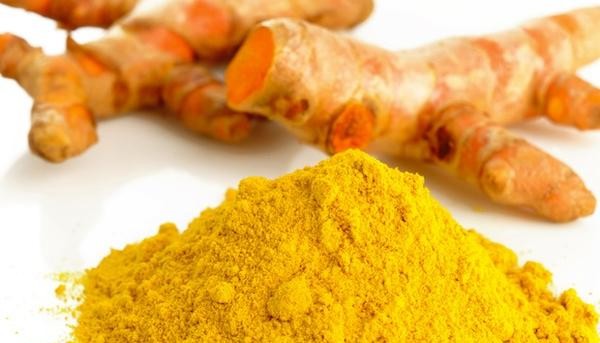
Turmeric has over 300 compounds, many of which are phytochemicals that have disease preventative properties. Turmeric displays anti-biotic, anti-cancer, anti-inflammatory and anti-oxidants effects. A classic example of food being medicine.
While there are many beneficial compounds in turmeric, the one that has received the most attention is curcumin. It is the component of turmeric that gives it the bright yellow colour and is why in India it is often called The Golden Goddess.
Studies on curcumin have shown anti-cancer potential in a number of cancers including multiple myeloma, pancreatic, colorectal, breast, adenomas and prostate.1 Curcumin exhibits a numbers of factors that can make it an effective intervention for hypertension, diabetes, heart disease, Alzheimer’s, arthritis, Crohn’s disease and ulcerative colitis, to name a few. The anti-inflammatory properties of turmeric ensures the benefits are far reaching as so many diseases stem from inflammation.
Although I have focused on curcumin, it’s important to note that all the compounds in turmeric work synergistically. It is best to take whole turmeric root, either fresh or as a supplement, with a meal that includes black pepper and some fat to enhance absorption.
I couldn’t write about all the studies in my blog but here are a few of them.
Anti-inflammatory
Curcumin has an anti-inflammatory effect by reducing NFkB (NfKB increases inflammation), enzymes COX-2 and 5-LOX (both COX-2 and 5-LOX increase inflammation and pain), and cytokines TNF, IL-1 and IL-6 2. NFkB regulates pro-inflammatory cytokine production and can cause apoptosis (cell death) of leukocytes to reduce inflammation. NFkB contributes to the feedback control of inflammation by various mechanisms to affect the magnitude and duration of the inflammatory response.3
Pancreatic cancer
A 2005 study observed how liposomal curcumin suppressed pancreatic carcinoma and had anti-tumour and anti-angiogenesis effects.4 Angiogenesis is the formation of new blood vessels, which when supplied to tumours can cause the cancer to grow and spread. The anti-angiogenesis compounds of curcumin have shown great promise and is an area of growing interest.
Prostate cancer
A study that was specific to prostate cancer showed particular promise concluding that “curcumin could be a potentially therapeutic anti-cancer agent, as it significantly inhibits prostate cancer growth and has the potential to prevent the progression of this cancer”.5 This study demonstrates that curcumin can inhibit androgen sensitive prostate cancer cells in mice. Further humans studies need to be completed.
Lung cancer
A group of scientists who had successful results with green tea as a cancer preventative, decided to test curcumin to further understand whether the anti-cancer mechanisms are similar. In this study curcumin increases the death of human lung cancer cells. One of the important mechanisms here is the up-regulation of GADD45 proteins. GADD45 proteins regulate DNA repair and can suppress tumour activity.6
Brain cancer
One study looked at the effect of curcumin on cancer stem cells and found that the phytochemical properties may have the ability to target brain cancer stems cells in rats.7 Stem cells are young cells that have not yet decided on their specific purpose within the body. For example, stem cells could become immune cells or become part of an organ. Therefore, if they can be influenced in the early stages of cancer or before the cancer stem cells have developed, could they prevent the disease before it starts or form part of the treatment alongside conventional approaches?
Bioavailability
Curcumin in turmeric is poorly absorbed due to the rapid metabolism and elimination. It is more bioavailable if taken with piperine, an extract from black pepper that increases bioavailability by 2000%.8
Dosage
Two level teaspoons of turmeric per day (either grated fresh or a dried powder) is adequate and can  be added to your meals. Add turmeric to soups, curries, stews, salads or make Golden Milk.
As well as cooking with this wonderful spice, I also like Terranova Fresh Freeze Dried Turmeric. They come in 350mg capsules and you can take up to 3 per day with meals.
If you are taking a curcumin supplement a dose of 1200mg per day is suitable. This could be split into two 600mg doses and should be taken with meals. If you decide to opt for isolated curcumin make sure you choose a formulation that uses something like nanoparticles for prolonged release of the curcuminoids. Liposomal curcumin also increases bioavailability.4 Always check for interactions with any medication/s you are already taking from your doctor.
References
Tags: anti-bacterial, anti-inflammatory, anti-viral, breast cancer, cancer, curcumin, food, health, nutrition, nutritious roots, turmericCategorised in: Health Care, Nutritious Roots Blog
May 18, 2016 6:18 pm Leave your thoughts