What’s your gut feeling? Part 2 – Healing your gut

In PART 1 I explained why gut health is so important and what can go wrong. Part 2 brings us onto the good news. There is so much you can do, starting today, that can help you rebuild a healthy gut and restore your health. Start healing your gut now!
Healthy Eating to begin healing your gut
Healthy eating has to come first and foremost as what we eat and feed our children has such a profound impact. Good wholesome freshly-made food should be at the forefront of our minds when we are choosing what to eat. This can drastically change the internal environment of our guts, often very quickly.
Eat organic locally grown vegetables (or grow your own) of all types and colours with a particular focus on green leafy vegetables. If you are overloading your body with toxic pesticides from non-organic food this will affect the diversity of bacteria in your gut. If you cannot afford to buy everything organic, make sure you buy organic vegetables that you eat with the skins or do not peel. For example apples, berries and lettuce should be an organic priority whereas avocados or bananas are not quite as important. Juice your vegetables or chop up into a salad. If you’re anything like me, you’ll also want warm cooked meals, especially in the winter. If you’re already getting plenty of raw vegetables in your juice and salads everyday, then steaming or cooking your vegetables is perfectly fine.
 Carbohydrates from the right sources
Get your carbohydrates mainly from vegetables and other plant-based sources. Eating cellular carbohydrate from plant sources is important because much of it is not broken down until it reaches the large intestine. Here it provides food for your good gut bacteria, which is exactly what we want to happen to allow you to begin healing your gut.1 The caveat to this is if you have an inflammatory bowel condition where you may have to be more careful what you eat. In this instance you should work with a qualified nutritionist to help you with your food choices.
Every time you eat or drink you are either feeding disease or fighting it.
Ferment your food
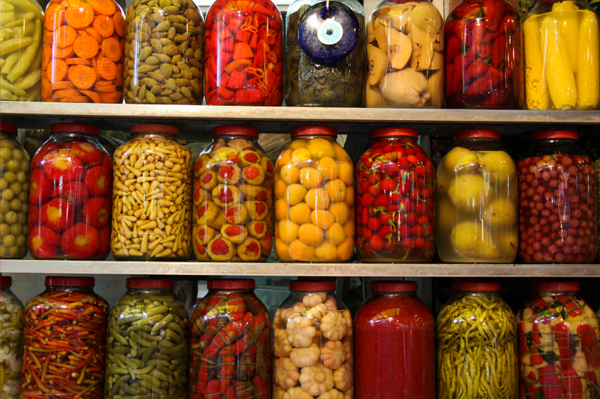
Fermented foods are a great way to increase your good bacteria and are also very cheap. Kefir, sauerkraut, kombucha tea, miso and moroccan preserved lemons are all fantastic options. To find out more about fermenting, visit Happy Kombucha who sell starter kits or Raw Living who sell ready made fermented products.
Polyphenols
Polyphenols are wonderful substances that help to maintain healthy gut flora. Foods rich in polyphenols are leafy greens (the darker the better), all types of berries, apples, blood oranges, rhubarb, kiwi, artichokes, broccoli, cabbage, onions, nuts and seeds and green tea.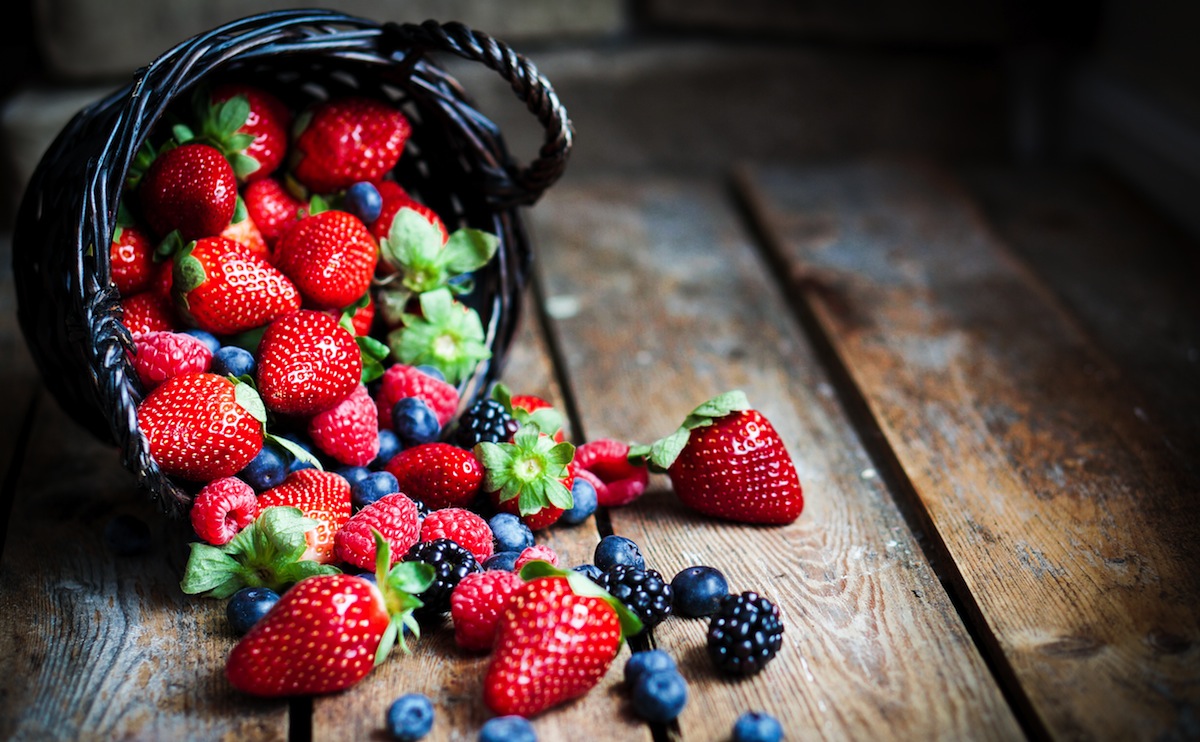
In a review by The Journal of Nutritional Biochemistry they wrote “It is clear that dietary polyphenols and their metabolites contribute to the maintenance of gut health by the modulation of the gut microbial balance through the stimulation of the growth of beneficial bacteria and the inhibition of pathogen bacteria, exerting prebiotic-like effects.2
Eat the right fats
As I explained in my previous blog post Mighty Mitochondria, fats are vital for so many functions in our body. Eating the right fats has been shown to improve the ecology of the gut and decrease inflammation.3 Excellent sources are chia seed, hemp seed, flax seed & oil, green leafy vegetables, nuts and seeds in small amounts, wild fish such as salmon, mackerel, anchovies, sardines and herring, grass fed meat* and eggs*.
Due to the concern about heavy metals many people like to take a fish oil supplement instead. Not all fish oil is made equal so be very careful which brands you buy as many are rancid due to the poor extraction process. The best quality fish oils I have found (and that doesn’t repeat on me all day) are:
– Bare Biology Lion Heart which is a high dose omega 3 fish oil.
– Viridian Organic Scandanavian Rainbow Trout Oil contains omega 3, 6, 7 and 9. This is a sustainable and ethically sourced fish from a Danish fresh-water river.
Limit your grains
Limit your grains especially if you are suffering badly with your health. The worst grains are wheat, rye and barley. Better options would be the naturally gluten-free grains like spelt, millet, oats and brown rice. Other grain-like options are quinoa and buckwheat.
Probiotics
It’s important for many people to increase the beneficial flora in their gut with a variety of strains.4 Diversity is key as all the different types of bacteria have different jobs within the body. A great way of doing this is to take a multi-strain probiotic. I have noticed a vast improvement in my health since taking a probiotic. It is certainly not necessary to take them all the time but during periods of illness, or after taking antibiotics, it can help to boost the immune system.
There are many different types and strains available. Here are a few I recommend:
- Wild Nutrition Multi Strain Probiotic contains 8 different strains and 30 million bacteria per dose
- VSL Probiotic Food contains 8 different strains and 450 billion live bacteria
- LifeGive Biotic Guard contains 12 different strains and 46 billion live bacteria per dose. I like this probiotic as it’s food derived and contains colonising, transient and organic soil-based organisms.
The mainstream probiotic yoghurt drinks you buy from the supermarket are not good at all as they contain glucose-fructose syrup, sugar, reconstituted cows milk and other such nasty ingredients. They are sold as healthy but are really anything but! Best to save your money and buy a reputable probiotic supplement.
Throw out your anti-bacterial gel
Anti-bacterial gels and hand sanitisers have become very popular but there are questions as to whether they are they doing more harm than good. These types of products contain a chemical called Triclosan which the FDA has questioned for both efficacy and safety. The other important point with these products is that they are designed to kill bacteria. As I highlighted in Part 1, we need bacteria. When it comes to hygiene it would seem that good ol’ soap and water is just as effective. To find out more this YouTube video explains it very well.
Prescription medication
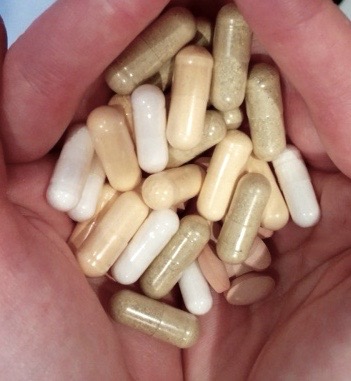 Some medications are necessary and save lives, however, far too often we are given a plethora of drugs that we do not need and are actually doing us more harm than good. Only take antibiotics if you really have to and ensure that you are taking a good-quality therapeutic dose of probiotics. Continue to take the probiotics after you have finished the course of antibiotics. If you have been taking a medication for a while without questioning it, maybe it’s time to discuss with your doctor whether it is still necessary. Doing your own research into the drug you are taking would also be a good idea. If you have a condition where drugs are necessary, there are usually improvements that can be made to nutrition and lifestyle to ensure you’re feeling in optimum health.
Other important factors
Obviously we need to ensure we get plenty of sleep. Limit alcohol as much as possible or if you have been run down, ill or are suffering from a serious health condition eliminate completely. You will struggle to get better if your body is constantly processing a toxin like alcohol.
Stress can have such a detrimental affect on health. If you are constantly in fight or flight mode and never give yourself time to relax, your body will not be able to effectively digest your food and you won’t be getting the nutrients you need. If you can recognise and reduce the stress factors in your life, this would be hugely progressive for your health.
*Meat and poultry should always be grass fed or pasture raised, free range and outdoor bred. If you eat a steak from a cow that’s been fed organic grain and has never seen the light of day, apart from the obvious cruelty to the animal, it will still contain low levels of omega 3 and higher levels of omega 6. Don’t assume all is well because of the word organic.
*Eggs should be locally sourced and free-range, or even better, biodynamic. Free-range often doesn’t mean free range at all. I would urge you to go to a local farm and see the conditions in which the chickens are kept to check you are eating high quality eggs. Truly free range organic and/or biodynamic eggs taste completely different and usually have a bright yolk.
References
- Spreadbury, I. (2012). Comparison with ancestral diets suggests dense acellular carbohydrates promote an inflammatory microbiota, and may be the primary dietary cause of leptin resistance and obesity.Gastrointestinal Diseases Research Unit. Vol 5, 175–189.
- Cardonaa F, Andrés-Lacuevac C, Tulipania S. et al (2013). Benefits of polyphenols on gut microbiota and implications in human health. The Journal of Nutritional Biochemistry. 24 (8), 1415–1422.
- Caesar et al. (2015) Crosstalk between Gut Microbiota and Dietary Lipids Aggravates WAT Inflammation through TLR Signaling, Cell Metabolism doi:10.1016/j.cmet.2015.07.026
- Chapman C.M.C., Gibson G.R., Rowland I. (2011). Health benefits of probiotics: are mixtures more effective than single strains? European Journal of Nutrition. 50 (1), 1-17.
Categorised in: Health Care, Nutritious Roots Blog
September 14, 2015 9:24 pm Leave your thoughts